Tox Info Suisse celebrates its 60th anniversary!

60 years of answering the call for help: When knowledge becomes the antidote


A lack of reliable information, coupled with a growing need for guidance regarding the risks of poisoning, led to the foundation of the Swiss Toxicological Information Centre in 1966, known as Tox Info Suisse since 2015. Before the poison information hotline there was a lack of knowledge a person could depend on at the critical moment.

Photos: Tox Info Suisse

The official opening on 25 May 1966 marked a new era of poison information and advice in Switzerland. The centre was the initiative of Winterthur pharmacist Dr. Attilio Nisoli and Zurich-based medical examiner Prof. Franz Borbély – both of whom had experienced how often medical specialists stand by feeling helpless in cases of acute poisoning. They recognised that there was no quickly accessible, well-founded basis for decision-making around poisoning, which covered substances, critical doses and useful countermeasures. 

From a punch card system to a digital database


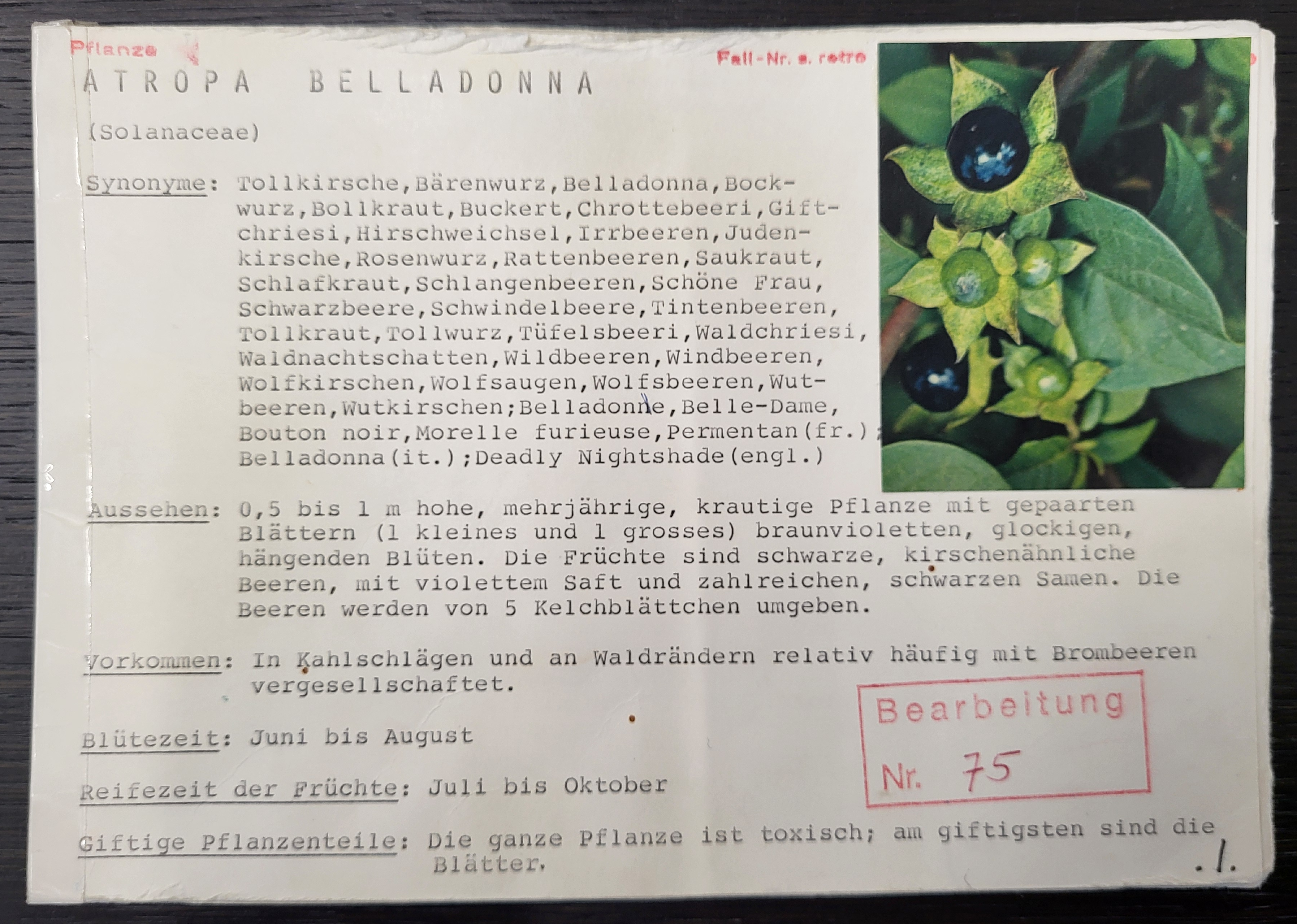
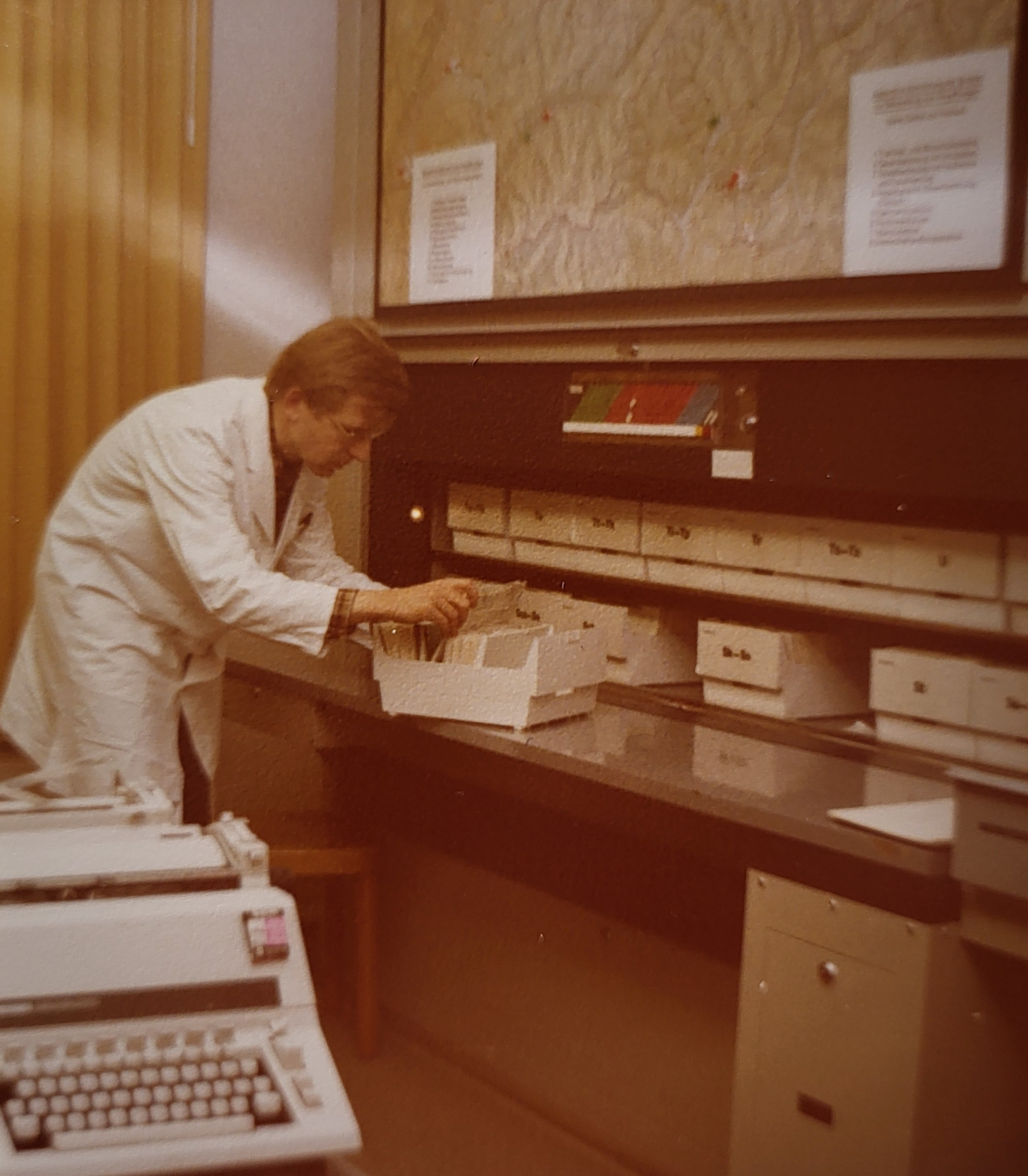
Even in the first annual report in 1966, it was established that the advice given could be executed successfully. The core competency was clear from the outset: systematic provision of information and practical dissemination. At the beginning, the information service relied on 15,000 index cards, thousands of literature references and mechanical evaluation systems, which had been set up in the preceding three years. Even at that time, a clear pattern emerged that is still applicable today: Poisoning incidents occur significantly more frequently in children under 5 than for any other age group. 

Every enquiry advanced the knowledge and improved the subsequent consultation. 

Photo: Tox Info Suisse

Historical poison index card – Photo: Tox Info Suisse

Rose-Marie Hauser-Panagl, who has worked at Tox Info Suisse since 1987 remembers: “A large part of my secretarial work was focused on obtaining information about poisons. I gathered manufacturer specifications and recorded everything by hand. Every poisoning incident was meticulously evaluated.” 

Individual cases provide experience, and this experience provides certainty in action. 


Records that were once kept on index cards are now digitised. The third generation of the electronic database was introduced in 2024 and provides almost instant access to the expertise acquired over six decades.

Experience changes medicine


Photo: Tox Info Suisse

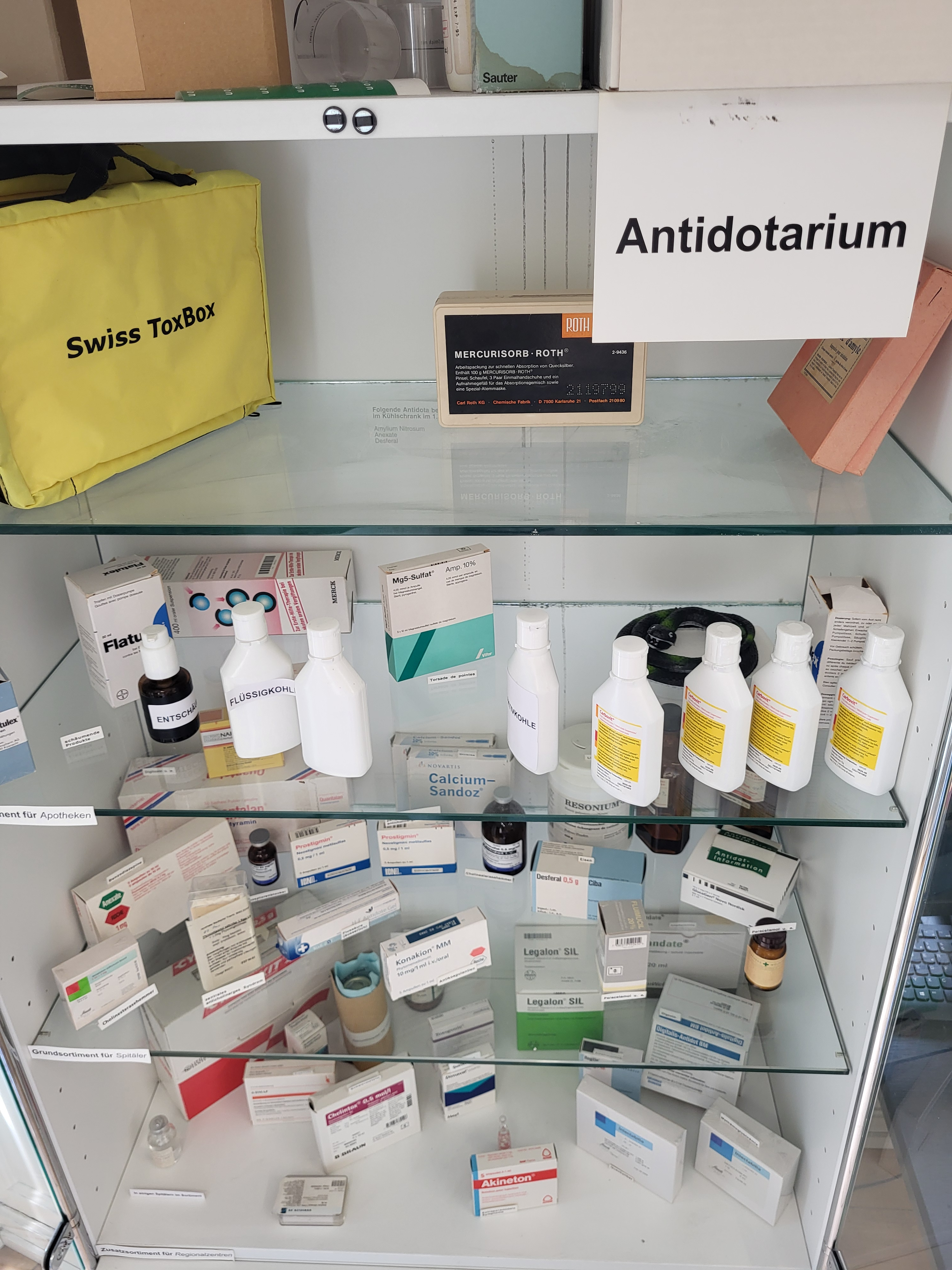
Cornelia Reichert, Head Physician, describes how this accumulated knowledge changed treatment methods: “The systematic accumulation of knowledge was instrumental in shaping the decontamination guidelines. Previously, many instances of poisoning were treated by pumping the stomach. Today, in Switzerland, we advise against this method almost without exception because it is associated with considerable risks for patients. This decontamination measure has been largely replaced by administering activated charcoal – although we have become more cautious with our recommendations for this as well. Instead, we make differentiated, evidence-based decisions in which the thresholds of toxicological concern are clearly defined and interventions are safer and more targeted.” 

Previously, pumping the stomach of a young child after they swallowed a few unknown red berries could sometimes cause more serious complications than the berries themselves. 
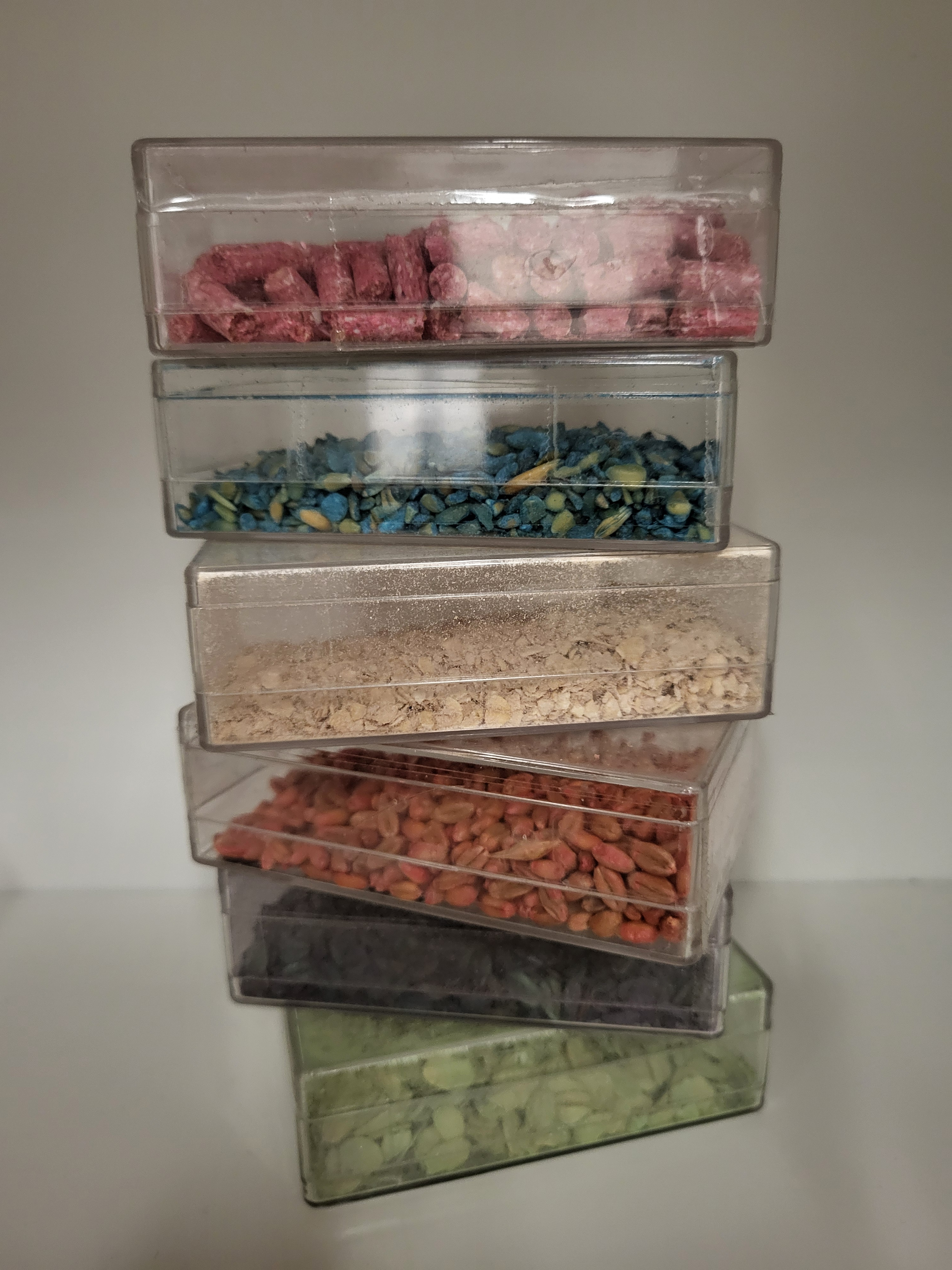

Historical rat poisons – Photo: Tox Info Suisse

Continuously evaluating the cases advised on also has a direct impact on product safety. One impressive examples of this is lamp oil: Young children used to mistake it for syrup and would drink it. The extremely thin oil could rapidly reach the lungs upon coughing or swallowing. Even small quantities could cause severe chemical lung inflammation – in some cases even death. 

Data from Tox Info Suisse and global poison information centres led to the composition of many products being modified and prompted measures such as child-safe closures and clear warnings. Fortunately, these kinds of severe poisoning are now extremely rare. Although children continue to be affected by many poisons, the home has become much safer in this regard – thanks, in part, to the work of poison information centres. 


New challenges: The internet, illegal products, AI


Despite safer household products, the reality of consultation remains dynamic. While Tox Info Suisse has access to solid data on the substances registered in Switzerland, products obtained via the internet – in some cases illegally – present a growing challenge. Household products, cosmetics, medication or drugs can be purchased worldwide, however they often lack reliable information on their ingredients. “Increasingly we don’t know what exactly is in these products,” explains Cornelia Reichert. “European safety standards and certification marks don’t apply to these products.” 

The drug market, in particular, has changed. New synthetic active ingredients are appearing all the time in addition to the known substances. Cannabis has been considered a ‘soft drug’ for a long time. However, synthetic cannabinoids suddenly started to cause severe symptoms such as seizures, coma or renal failure. ‘Edibles’ – THC as gummy bears or chocolate – also appear harmless but have unknown concentrations and are often easily mixed up. 

In our modern world, digitalisation also presents new obstacles: People can use search engines or AI to find any information within a matter of seconds, but in an emergency it is hard to distinguish what is relevant or dangerous. This is where professional, human assessment is essential: To determine the risk, provide reassurance or advise the right action. 

Fighting for existence


Foto: Tox Info Suisse

While the medical benefit is now indisputable, the financial journey has been rocky. As an independent specialist unit between medicine, the public and the authorities, the significance of Tox Info Suisse has always been high but the financial resources never certain. 

In 2025, this tension reached a new peak. Despite 44,736 consultations, the financial situation meant the continuation of the poison information centre was at stake. The reaction of the public was staggering: Within just three weeks, nearly 120,000 people signed the petition “Save the poison information centre”. Only the parliamentary decision in winter 2025 session secured the operation for 2026. 

More than an institution – the ‘Tox family’


For many of those involved, Tox Info Suisse is more than just a place of work. Ines Nisoli, daughter of one of the founders, remembers: “For me, the Tox was like a half-sister who demanded almost all the attention and devotion of my father. It was always there – every dinner time my father would tell us about the progress and stumbling blocks. It was difficult to bring up any other topic.” 

Photo: Tox Info Suisse

Some call it the ‘Tox family’. The job is demanding, sometimes very stressful, often complex – and yet remains meaningful. Not every call is dramatic – sometimes everyday life shows its curious side: A diabetic tested a new injection device on a tomato, which was later eaten. The all-clear comes with a smile. Real people are behind every call. 

Ines Nisoli adds: “In the meantime, generations of managers and employees have continued and secured the existence and operation of Tox Info Suisse, with the same conviction, dedication and commitment. They all deserve a huge thank you.” 


Photo: Tox Info Suisse

After 60 years, Tox Info Suisse continues to be available day and night. The framework conditions may change, substances become more complex, the flood of information bigger. But the core remains the same: Listen, classify, help. 

“The callers are glad we are here.” 

And we are excited for the next 60 years. 


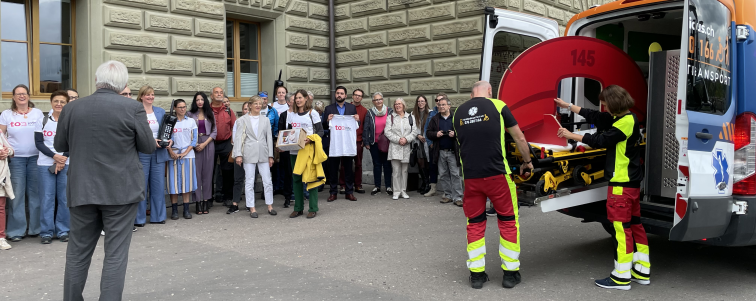
The anniversary year has already begun with an event for employees in March. The official anniversary celebration takes place in the autumn. We will be sharing more throughout the year with insights and stories from 60 years of Tox Info Suisse in our annual report, on our website and on social media. 

Stay tuned – we have more special treats to share from 60 years of Tox Info Suisse. 


May 2026