
Toxic tales from daily life at the Tox: Mushrooms


AI Image: Copilot AI/Tox Info Suisse

Mushroom foragers know that the best spots are often fiercely guarded family secrets. And foraging lore is passed on with the good mushroom sites. The problem is that some of these tips are simply wrong, and sometimes even highly dangerous.

To start our new series on “toxic tales”, we’re putting six widespread mushroom myths under the microscope. Alleged tricks to distinguish what’s poisonous and edible are absolutely not reliable. 


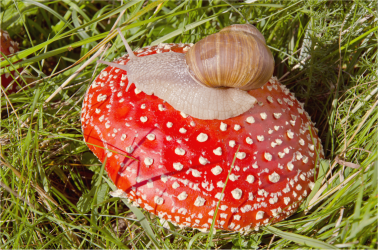
Myth 1: “If a mushroom has been nibbled by slugs and snails, it is edible and not poisonous”


AI Image: alisbalb, Canva


Fact: Evidence of being eaten is not a sign you can trust. 

Animals often react quite differently to toxins than humans. A feast for a slug can be fatal for us.

Slugs and snails will nibble their way through the green amanita (Amanita phalloides) with apparently little effect whereas the amatoxins these mushrooms contain destroy liver cells in humans.
In other words: Do you really want to entrust your live to the culinary judgement of a slug?


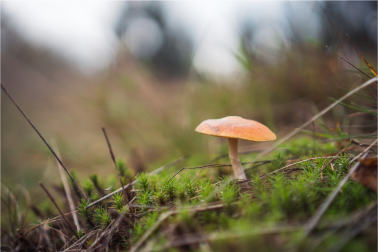
Myth 2: “I’ll only try a small mushroom. If nothing happens immediately, the mushroom is safe”


Photo: Matthias_Groeneveld, Canva


Fact: Even the most dangerous mushroom toxins can have quite a delayed effect. 

For example, you will often feel fine for days after consuming deadly webcaps (Cortinarius orellanus and rubellus) – but in 2 to 17 days, you’ll have kidney failure. Even symptoms caused by amanita take 6 to 15 hours to emerge – sometimes even 24 hours. 


In other words: Anyone without symptoms after eating a little taster should never assume that the rest of their find can be safely eaten.


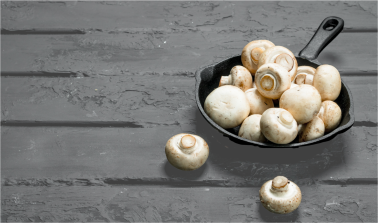
Myth 3: “Poisonous mushrooms become harmless once cooked”


Photo: Olesia Shadrina, Canva


Fact: That would be nice. Unfortunately, cooking doesn’t destroy all toxins or make mushrooms safe.
 
It’s true that some edible mushrooms are better tolerated after sufficient heating. This is why VAPKO (the Swiss association of official mushroom control bodies) also recommends not eating raw mushrooms. However, the really nasty mushroom toxins like amatoxin are extremely stable and cannot be neutralised either by boiling, frying, drying, pickling or deep-freezing. 

In other words: Neither a pan nor freezer will make poisonous mushrooms edible. 


Myth 4: “There aren’t any poisonous mushrooms above an altitude of 2000 metres; death caps don’t grow above the tree line”


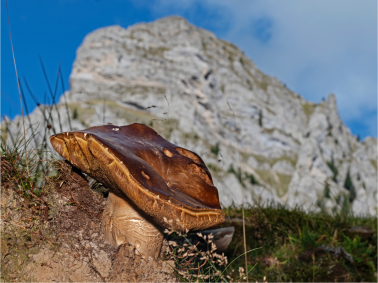
Photo: scubaluna, Canva


Fact: The altitude or tree line offer no protection against poisoning. 

Old books about mushrooms often state that amanita (also known as death cap) do not grow in alpine regions at high altitude. But with climate change, trees and mushrooms are increasingly spreading to higher elevations. What’s more, amatoxin isn’t exclusive to death caps and can also be found in other types of mushroom such as the Funeral Bell (Galerina sp.) and Lepiota species.

In other words: Those who make it up the mountain, can also make it to a mushroom inspection point.


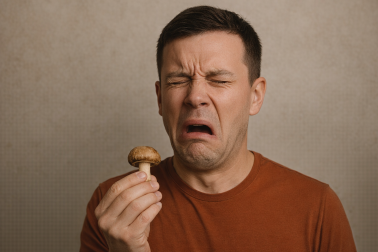
Myth 5: “Poisonous mushrooms taste bitter or tangy”


AI Image: Copilot AI/Tox Info Suisse


Fact: Our sense of taste does not have an inbuilt toxin sensor.

Lots of dangerous mushrooms have a mild, nutty taste and are absolutely delicious. The rule of thumb that tangy specimens are inedible may apply to certain species – such as specific russulas – but it definitely doesn’t apply to other fungi families.  

Even callers with symptoms of poisoning often report that they hadn’t noticed any peculiar taste.

In other words: A taste test does not replace mushroom inspection.


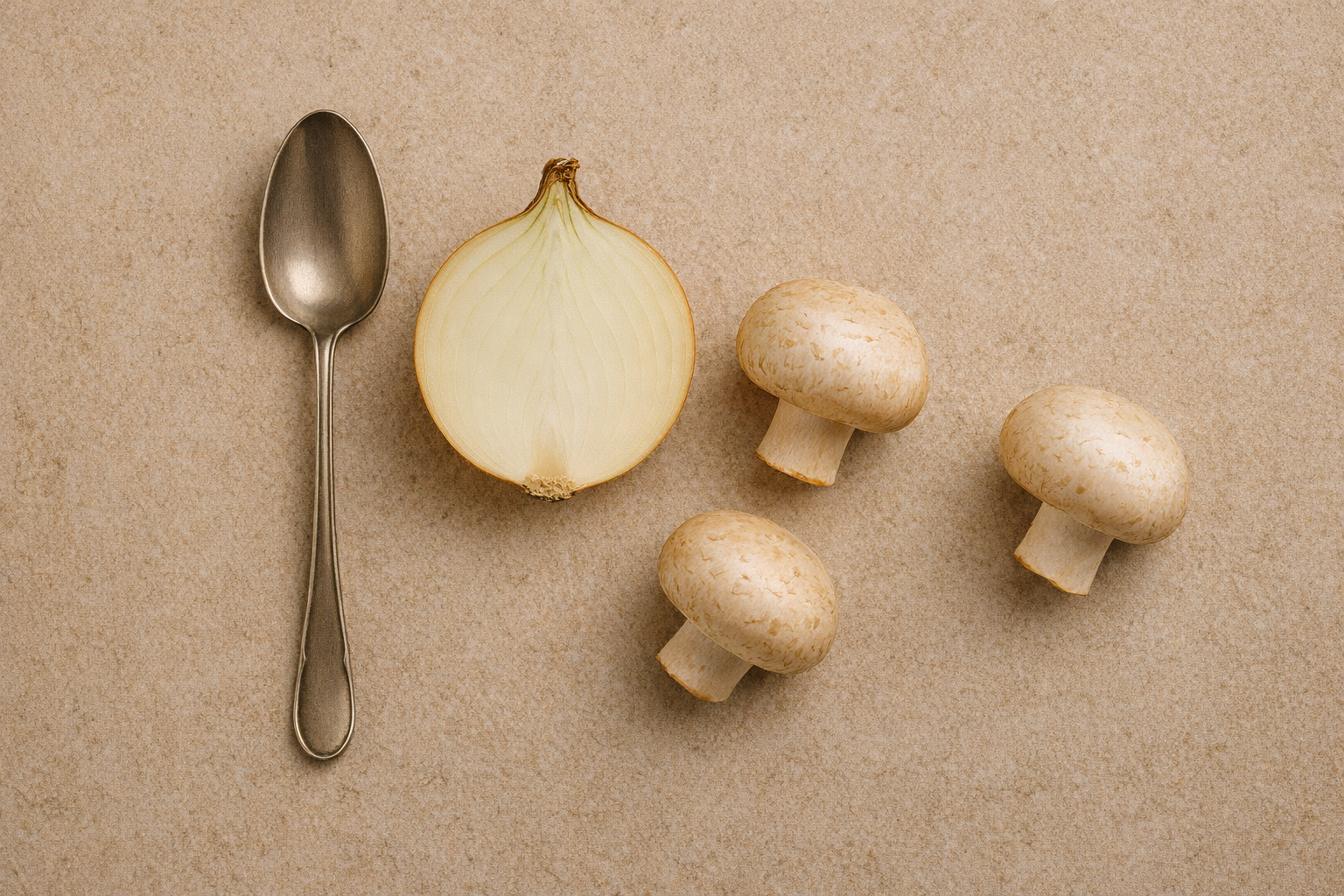
Myth 6: “A silver spoon or onions will instantly tell you whether a mushroom is poisonous”


AI Image: Copilot AI/Tox Info Suisse


Fact: This is simply wishful thinking. Chemically and biologically invalid and an absolute fallacy.

The belief that a silver spoon will tarnish if dipped in the pan or onions will turn black if cooked with poisonous mushrooms is a persistent misconception that extends beyond country borders. However, there are no simple tests using chemical reactions to distinguish between ‘poisonous or non-poisonous’. 


In other words: Even if your grandparents lived to the age of 90 thanks to these “tricks”, it was more by luck than judgement.


Not a myth: Mushroom inspection saves lives

Whether slug munching, silver spoons or altitude – none of these old “rules of thumb” reflect reality.

Reliable mushroom identification requires expertise. The only safe way is at an official mushroom inspection point. To make sure that these continue to exist nationwide and are not phased out or closed down:

Sign the petition now: Save mushroom inspections!

This link takes you to the VAPKO petition and further information (only available in German, French and Italian)


July 2026