

Synonyms: O2-absorber, oxygen scavenger
Occurrence: Contained in small bags, usually with foods in airtight packaging (e.g. snacks, dried fruit, Asian pastries, dried meat)
Function: Bind oxygen, prolong shelf life, prevent mould and spoiling.
Oxygen absorbers
Frequently labelled with the statement «Do not eat, throw away»
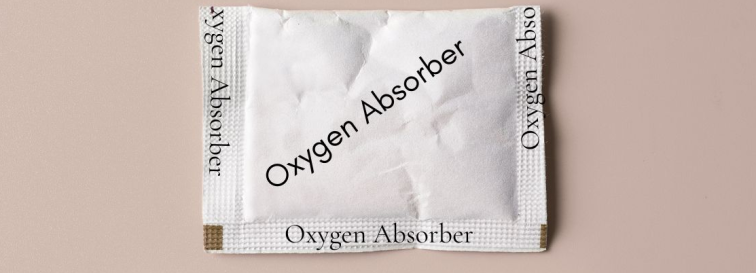
Photo: kitthanes, Canva
Pack contents
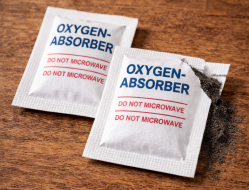
AI Image: ChatGPT OpenAI/Tox Info
Usually contain a few grammes of powder. The powder is typically grey, brown or black.
Frequently contain:
• Iron powder e.g. iron(II) carbonat
• Activated charcoal
Frequently contain:
• Iron powder e.g. iron(II) carbonat
• Activated charcoal
Is there a danger of poisoning?
Oxygen absorbers that contain iron: :
Harmless in small quantities, even for young children. Iron compounds such as iron(II) carbonate have low solubility and only low quantities are absorbed in the gastrointestinal tract. A single pack therefore does not pose any significant risk of iron poisoning.
Activated charcoal:
Harmless; it is not absorbed by the body.
(More about activated charcoal here).
What should you do after swallowing?
- Do not induce vomiting
- Rinse mouth
- Drink 100-200ml of clear, fat-free fluid (e.g. water, cordial, tea)
- In case of uncertainty or large quantities: Contact Tox Info Suisse
- Seek medical attention for persistent coughing (suspected aspiration) or highly pronounced gastrointestinal symptoms
Symptoms
The usual quantities do not usually produce symptoms. Occasionally mild gastrointestinal symptoms. Rarely coughing if powder has been inhaled (aspiration).
Activated charcoal: Practically no symptoms.
Iron compounds (in large quantities, which are rarely consumed): Nausea, abdominal pain, vomiting.
Prevention
- Do not open the little bags, ideally dispose of them immediately
- Keep out of the reach of children, dementia sufferers and pets
Note about desiccant packs with silica gel
These packs also bear the statement «Do not eat, throw away». They contain silica gel beads, which are usually white or transparent. Accidental swallowing of seldom causes symptoms.
Further information
February 2026